Regional Commission for Cultural Affairs, Ben Arous · 2026 · Projection mapping
Mapping Oudhna

A projection mapping on a Roman archaeological site, running the history of Tunisia through eight generated chapters.
8
Chapters
Prehistory through to the architectural climax.
2 000
Years on the wall
The surface already carried meaning before the projector.
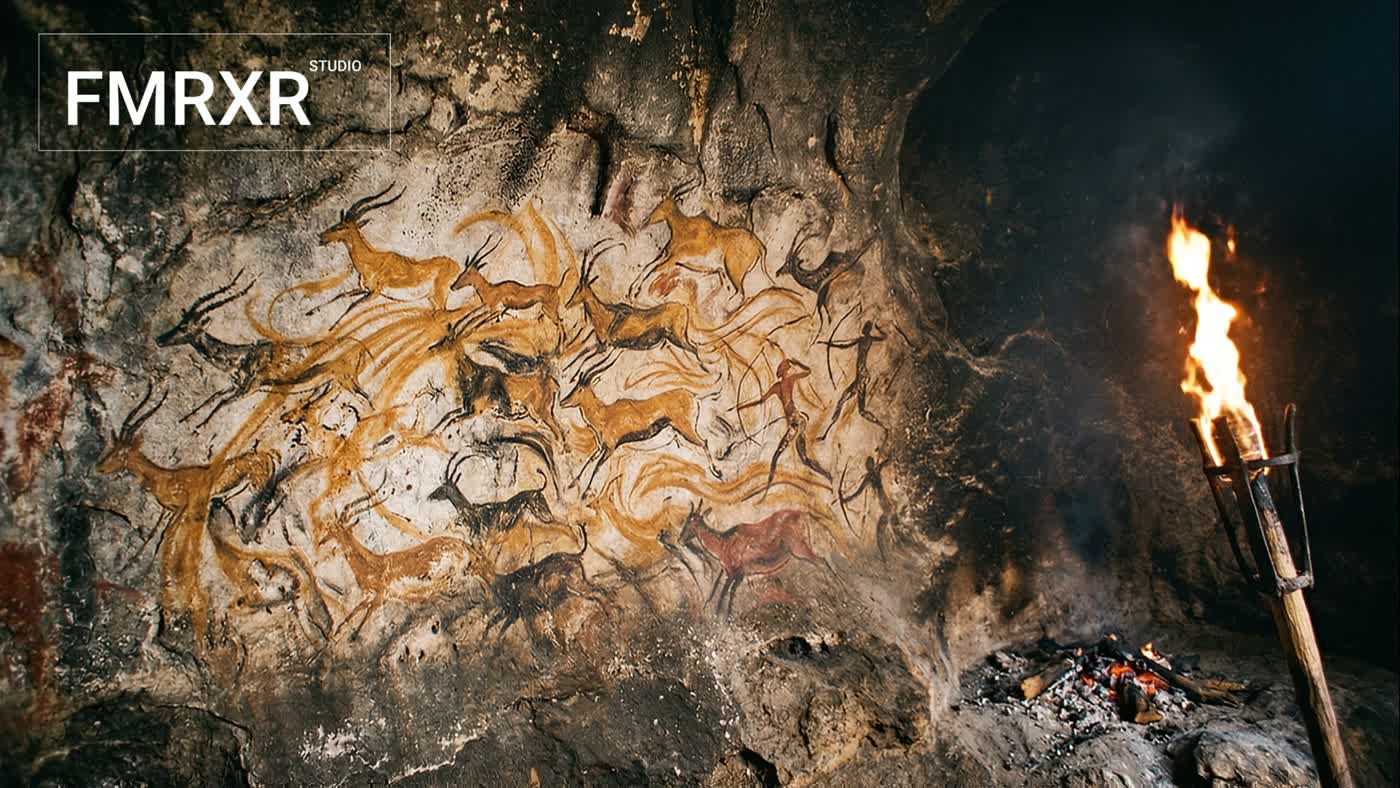
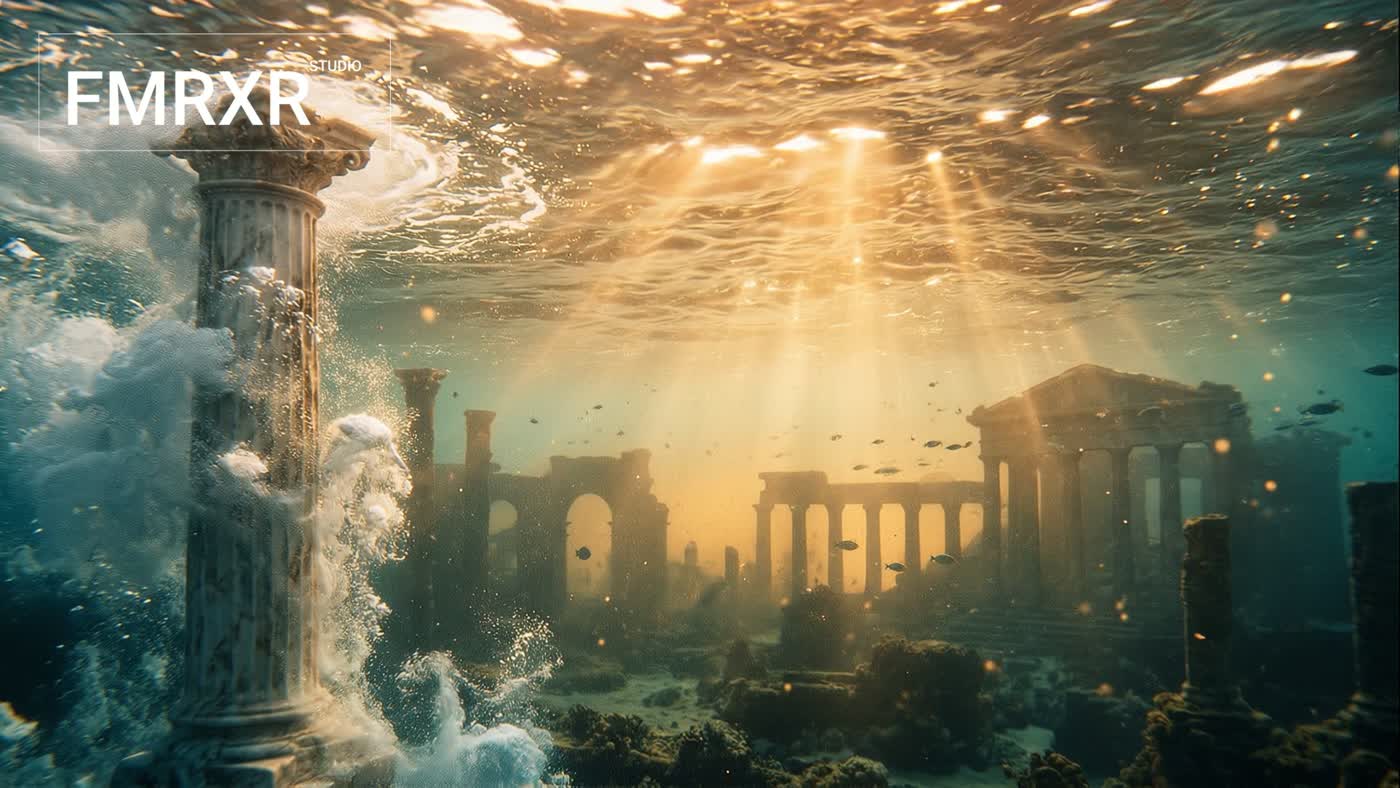
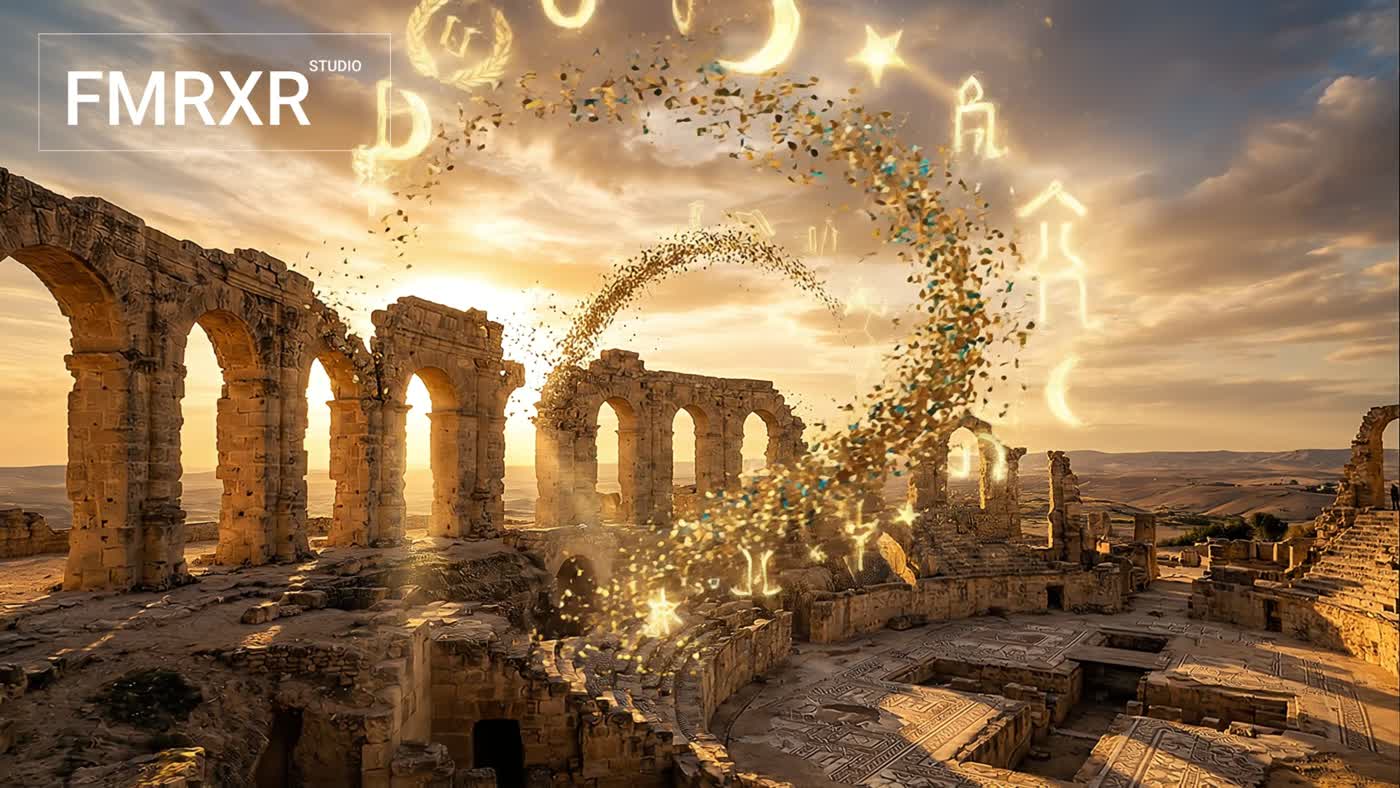
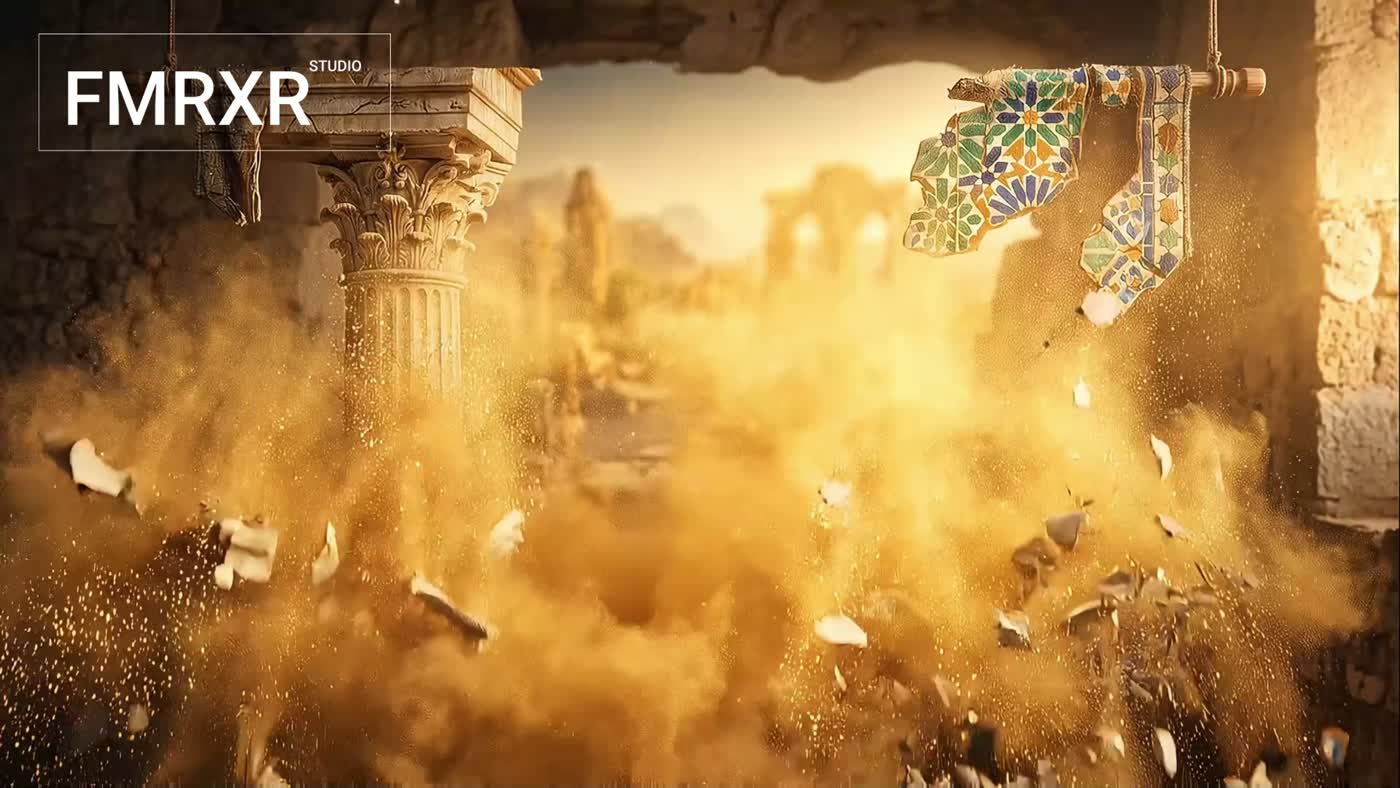
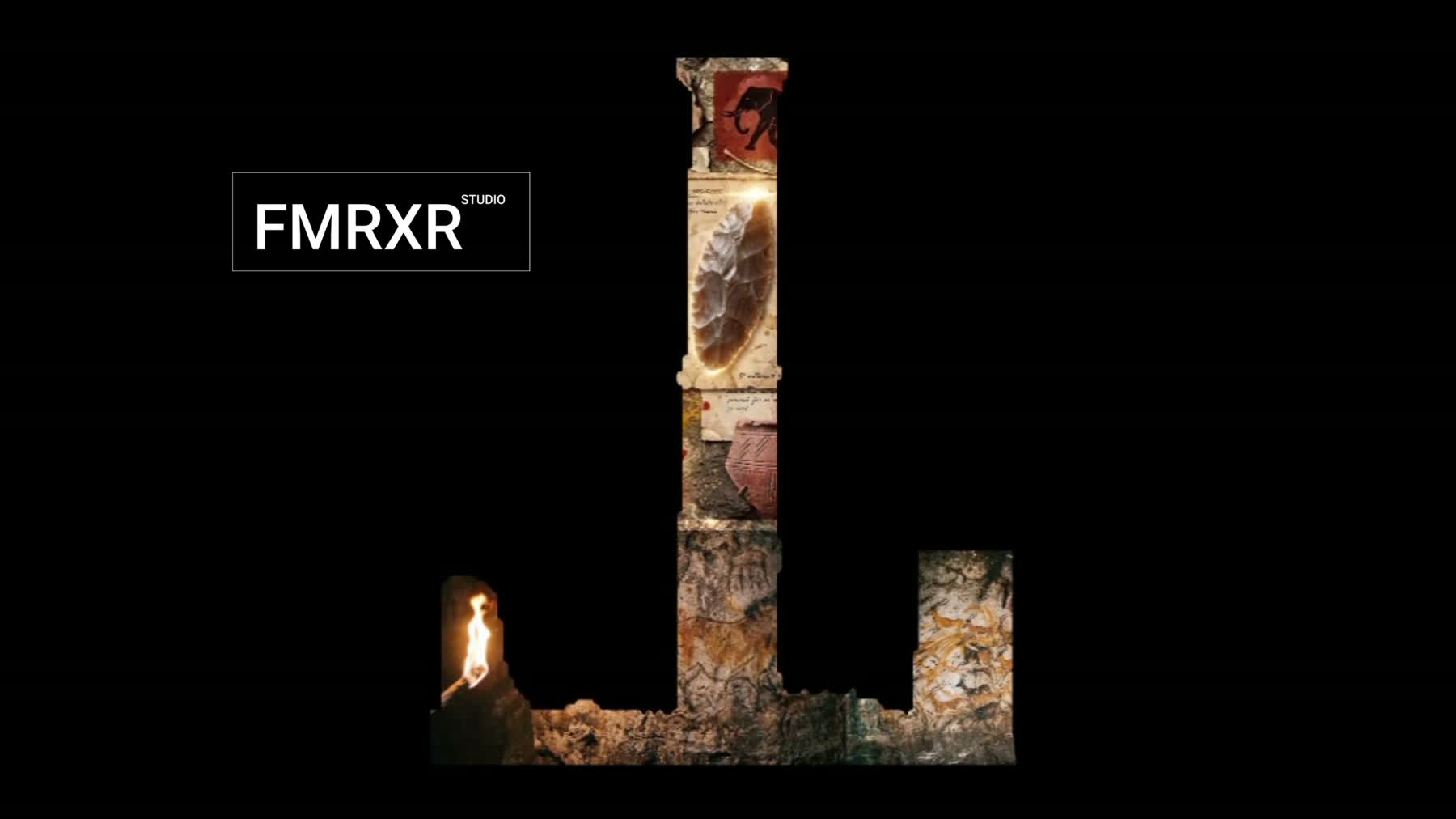
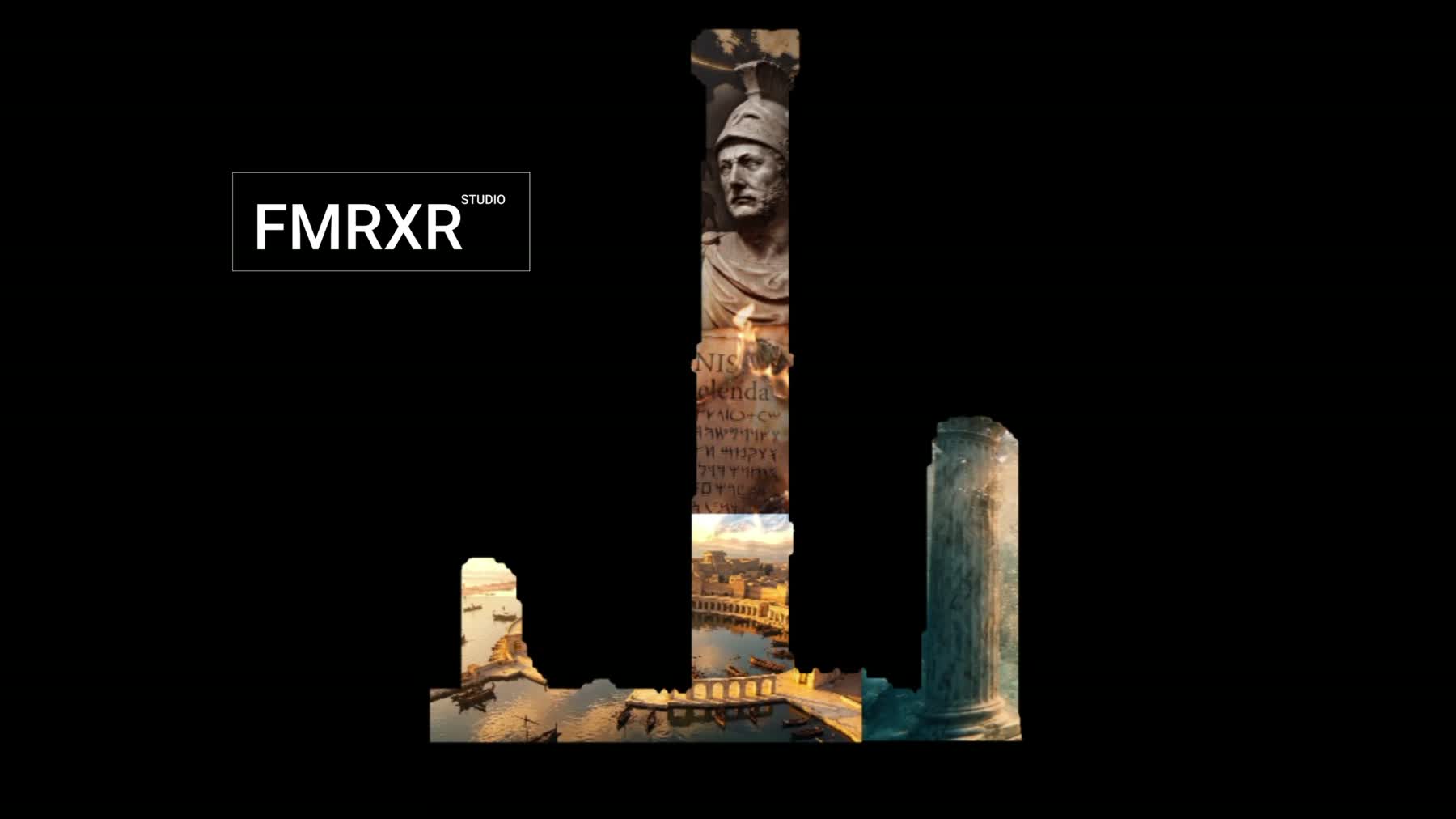
Uthina is one of the largest Roman sites in Tunisia. Mapping a place like that raises an immediate problem: the surface already carries two thousand years of meaning, so anything projected onto it either respects that or flattens it into a screen. The answer was to make the content chronological rather than decorative. The piece runs through eight chapters that follow the site itself through time: Prehistory, the Phoenicians, the Romans, the Islamic period, a synthesis of the dynasties, the French protectorate, Independence and modern Tunisia, and a final architectural climax that returns the stone to itself. Each chapter has its own visual regime, generated rather than filmed. The Phoenician sequence builds a harbour that never existed as a photograph, the Roman chapter works in architecture and ornament, the closing movement resolves into pure geometry. The narrative is the structure, and the structure is what the audience walks away with. The system runs on TouchDesigner, with AI-assisted generation feeding the chapter material and real-time control holding it all together on the night.
Role
Creative direction · Narrative design · Generative content production · Projection mapping · Real-time system
Stack
TouchDesigner · Generative AI · Projection mapping · Real-time



Similar brief?
Build an experience like this one.